







Trusted by over 100 of the world's biggest companies
Why tax engagement planning becomes complex
Modern tax practices must coordinate specialist resources across multiple engagement types, each with different deadlines, complexity levels and compliance requirements. Without clear visibility of work, capacity and expertise, planning becomes increasingly difficult.
How Retain supports tax planning
Retain enables tax firms and in-house tax teams to standardise planning across all engagement types using a common workflow structure. Resource managers can allocate specialists, monitor progress, track capacity and ensure engagements move efficiently through every stage of delivery.
Coordinate tax engagement staffing with capacity visibility
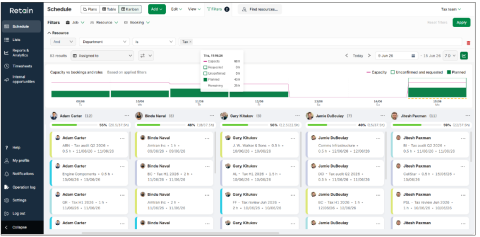
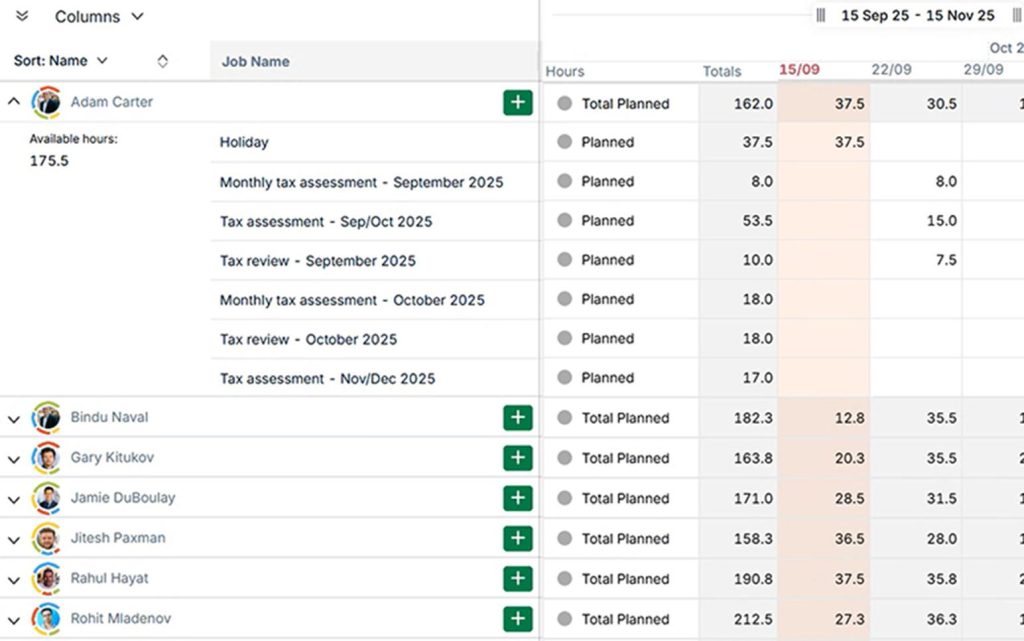
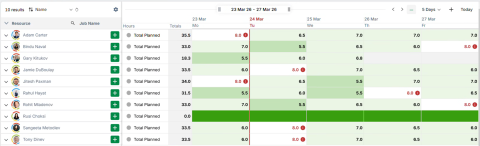
Tax managers need a clear view of resource capacity when planning engagements across filing periods. Retain provides complete visibility into availability across teams and offices, allowing planners to identify available specialists, balance workloads and avoid over-allocating critical expertise during peak delivery periods.
Kanban View - Make every tax engagement visible and manageable
Tax teams often have hundreds of active engagements at different stages of completion. Retain's Kanban view provides a real-time overview of work in progress, helping managers identify bottlenecks, balance workloads and keep deadlines on track.
Allocate tax specialists based on verified expertise
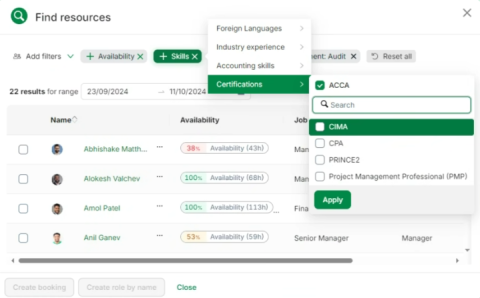
Finding the right tax specialist can be challenging, particularly for complex engagements. Retain gives managers visibility into skills, certifications and technical expertise, making it easier to assign the most qualified people to each piece of work and improve resource utilisation.
Replicate recurring engagements using mass roll forward
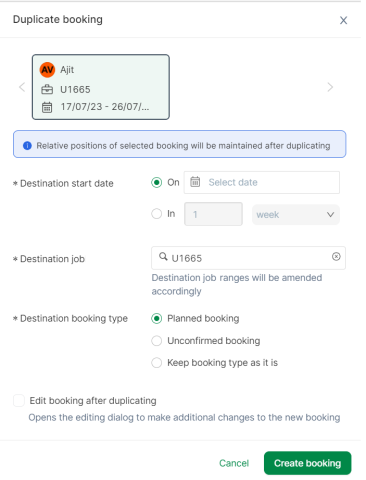
Many tax engagements repeat annually, quarterly or monthly. Retain enables firms to create standardised templates and roll them forward into future periods, reducing administration, improving consistency and accelerating engagement setup.
Gain Visibility Across Workload, Capacity and Delivery Performance
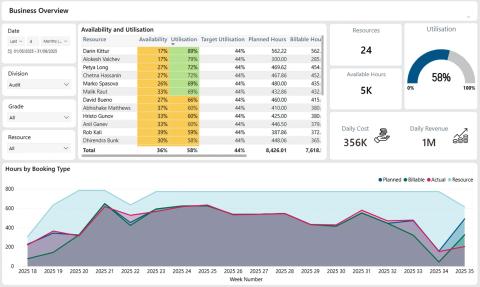
Retain provides real-time reporting on workload, utilisation, capacity and engagement progress. This helps tax leaders make informed resourcing decisions, identify risks early and ensure teams have the capacity to meet critical deadlines.
Business Impact
A unified resource management platform enables tax teams to coordinate specialist talent across engagements while maintaining visibility into capacity, workload and delivery timelines.
Organisations can:
Book Your Demo Today
See how Retain helps you improve utilisation, plan projects with confidence, and deliver work more efficiently.
What is resource management software for tax departments?
Resource management software for tax departments helps organisations allocate specialists across engagements while maintaining visibility into capacity, skills and deadlines. By connecting workforce planning, scheduling and operational reporting, tax teams can manage seasonal workload spikes and deliver engagements more efficiently.
FAQs
Retain supports a wide variety of tax workflows, including individual tax returns, business tax, corporate tax, partnership filings, trust and estate work, VAT and GST compliance, payroll tax, tax advisory, notices and audit support.
Yes. Capacity planning tools provide visibility into workload distribution during peak filing periods.
Yes. Skills frameworks allow firms to track certifications, experience levels, technical specialisms and regulatory expertise for more effective resource allocation.
Yes. Using job templates and mass roll forward functionality, firms can quickly create future engagements based on previous structures and workflows.
Yes. Scenario planning tools help organisations evaluate future staffing requirements.
Yes. Retain allows organisations to create standardised job templates and workflow stages that can be reused across different engagement types while maintaining flexibility where required.
Yes. Reporting, Kanban visibility and capacity planning tools help managers identify constraints such as document collection delays, review bottlenecks, specialist shortages and deadline risks before they impact delivery.